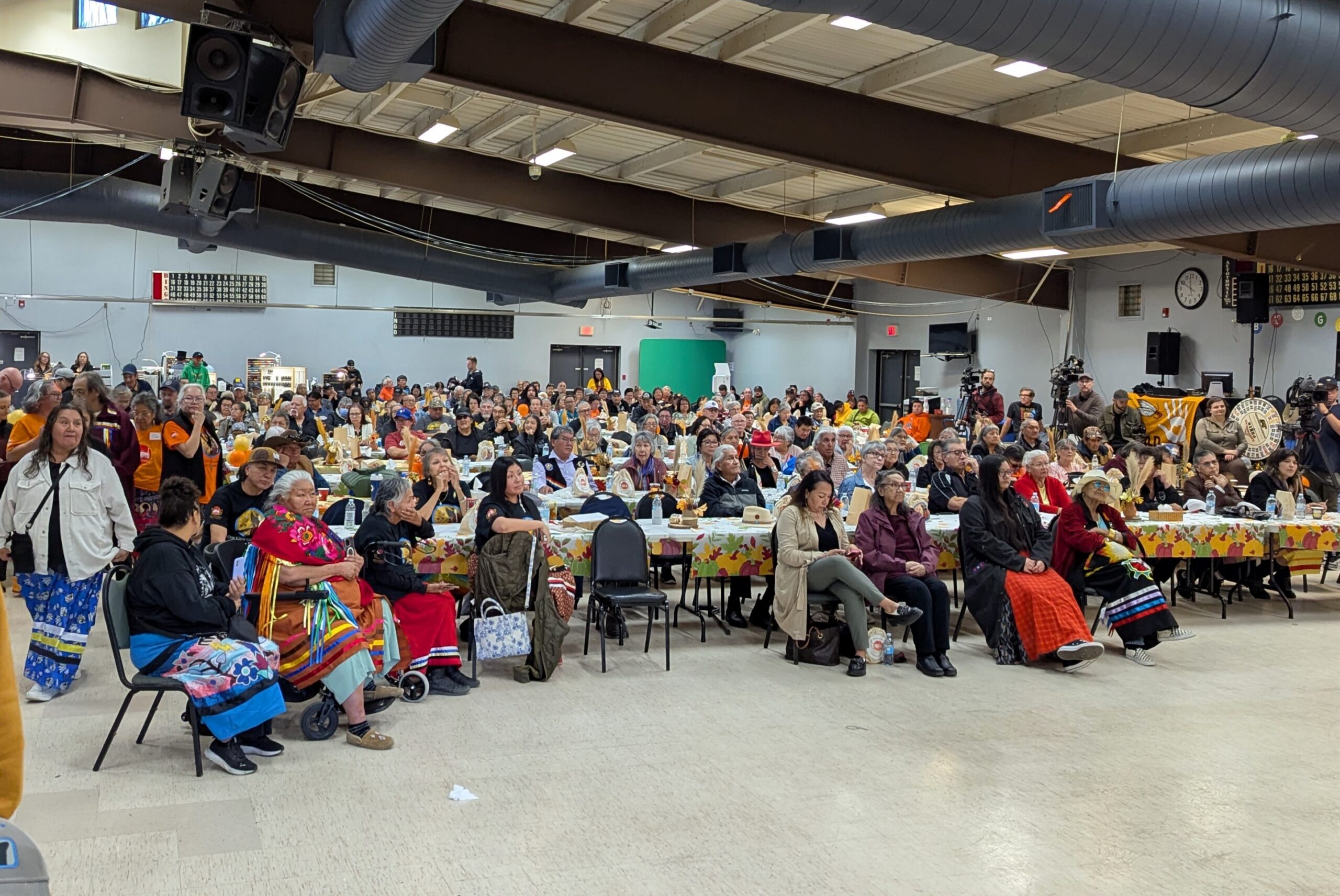


Reconciliation is an ongoing journey rooted in truth, accountability, and relationship-building.
Reconciliation in Canada
Reconciliation in Canada refers to the ongoing process of addressing the harms caused by residential schools and rebuilding respectful relationships between Indigenous Peoples and non-Indigenous society. It involves truth-telling, accountability, and sustained action to repair the impacts of colonial policies.
Reconciliation is not a single event or apology. It is a long-term responsibility that requires governments, institutions, and individuals to learn from the past and act differently in the present.
National Efforts Toward Reconciliation
In recent decades, Canada has taken steps to formally acknowledge the harms of residential schools:
- 2008 – The Government of Canada issued a formal apology to survivors and their families.
- 2008–2015 – The Truth and Reconciliation Commission of Canada documented survivor experiences and released 94 Calls to Action.
- National Centre for Truth and Reconciliation (NCTR) – Established to preserve survivor testimony and historical records.
- Legislative and policy commitments – Including the adoption of the United Nations Declaration on the Rights of Indigenous Peoples (UNDRIP) and the establishment of the National Day for Truth and Reconciliation.
While these efforts mark important milestones, many Calls to Action remain unfulfilled, and reconciliation is widely understood as unfinished work.
The Role of Churches and Institutions
Churches that operated residential schools have taken varied approaches to reconciliation. Some have issued apologies, participated in compensation processes, opened archives, and supported survivor-led healing initiatives. Others continue to face calls for greater transparency, accountability, and action.
Universities, museums, archives, and cultural institutions across Canada are also reassessing their roles in preserving and presenting Indigenous histories, with growing emphasis on Indigenous leadership, consent, and self-representation.
The RCMP and Acknowledgement of Harm
The Royal Canadian Mounted Police (RCMP) played a role in enforcing federal policies related to residential schools, including the apprehension and return of Indigenous children who were compelled to attend. This involvement connected the RCMP to the broader system that removed children from their families and communities.
In 2021, the RCMP issued a formal apology acknowledging its role in enforcing residential school policies and the harm this caused to Indigenous Peoples. The apology recognized the trauma experienced by children and families and acknowledged the lasting intergenerational impacts of these actions.
The RCMP has stated a commitment to reconciliation through institutional reflection, education, and relationship-building with Indigenous communities. For many, these steps are part of an ongoing process that must be measured through continued accountability and change.
Why Museums Matter in Reconciliation
Museums play a critical role in reconciliation by ensuring that difficult histories are not forgotten, minimized, or distorted. The National Indigenous Residential School Museum of Canada exists to preserve truth, honour survivors, and support education for future generations.
By holding space for lived experiences, historical records, and community knowledge, the museum affirms that:
- The history of residential schools is real and documented.
- Survivors’ voices are central to understanding this past.
- Remembering is an act of responsibility, not punishment.
The museum is both a place of remembrance and a place of learning—where visitors can confront a painful history and understand why it matters today.
From Hurting to Healing
The history of residential schools is difficult to face. Yet acknowledging this history is essential to healing—both for Indigenous communities and for Canada as a whole.
Reconciliation requires courage: to listen, to learn, and to remain engaged even when the truths are uncomfortable. The museum invites visitors to take part in this responsibility, recognizing that healing a nation begins with remembering its full history.