Grounded in Truth, Led by Understanding
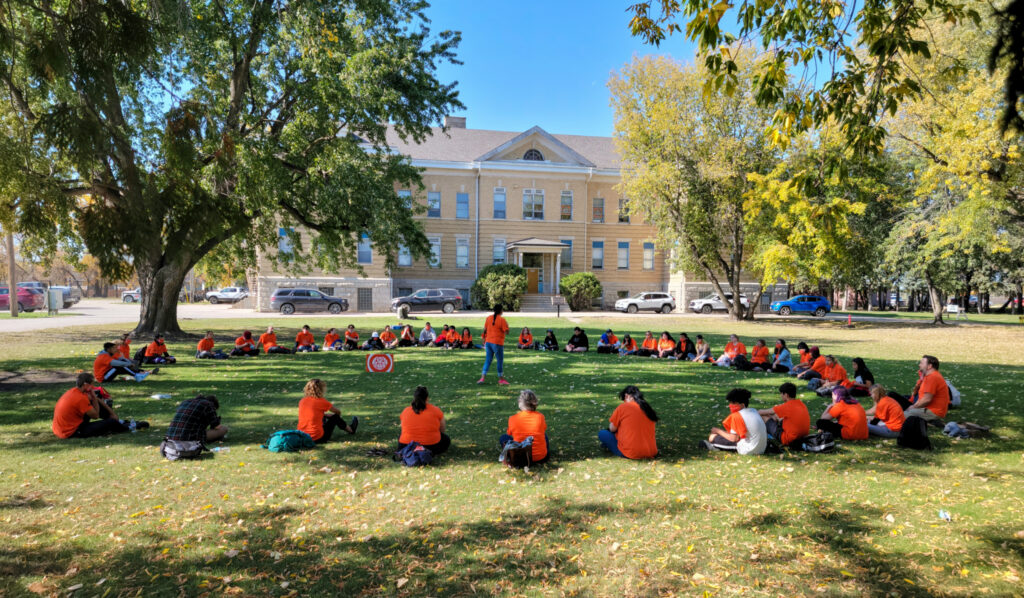
Vision of the Museum
The National Indigenous Residential School Museum of Canada is a place where people can learn, share, heal, and move forward with a greater understanding of the forces that shaped and forever changed multiple generations of First Nations peoples.
The Museum exists to ensure that the history and impacts of the Residential School system are remembered, understood, and honoured. It is a space of reflection and education, where Survivors’ voices are centred and where truth is shared in a respectful and accessible way.
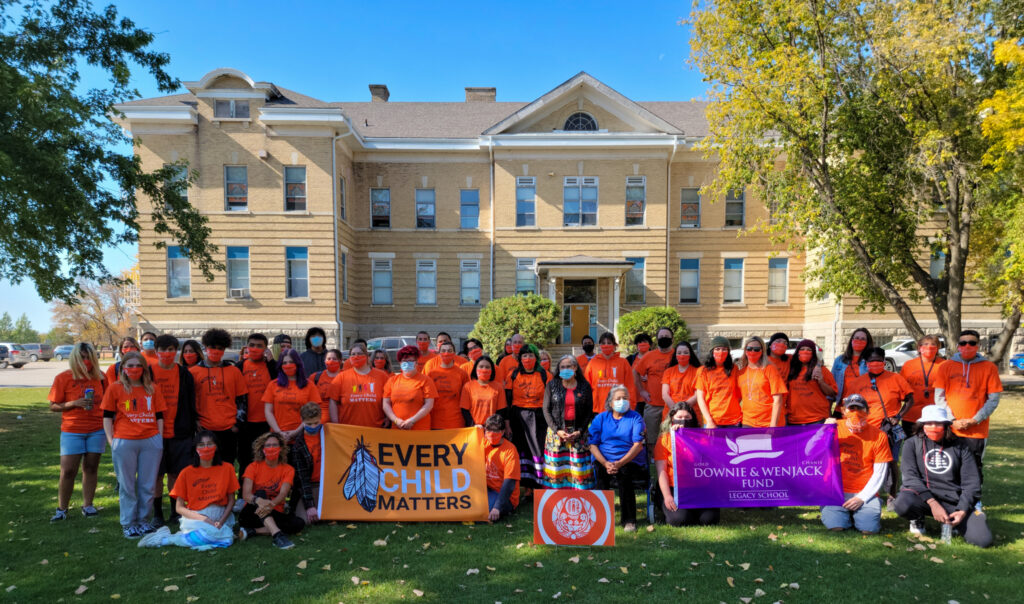
Purpose of the Museum
The Museum was created to:
- Honour Survivors and children who never returned home
- Create a memorial space for remembrance and reflection
- Support Survivors and families in their healing journeys
- Educate the public about the Residential School system and its ongoing impacts
- Provide a place where Indigenous cultures, languages, and histories are recognized and respected
It is both a memorial and an educational institution—one that holds space for truth-telling, healing, and learning.
Education, Truth,
and Public Understanding
The Museum is dedicated to documenting and sharing the history of the Residential School era while also showcasing the strength and diversity of Indigenous cultures, both past and present.
It is a place where history and culture meet. Through exhibitions, storytelling, and public programming, the Museum invites visitors to better understand the past and its connection to present-day realities, including the Truth and Reconciliation Commission’s Calls to Action.
The Museum’s work includes:
- Preserving historical records and artifacts
- Sharing Survivors’ stories and lived experiences
- Teaching Indigenous languages, cultures, and traditions
- Supporting public education on historical and ongoing impacts
Historical Context:
Residential School System
Under amendments to the Indian Act in 1920, it became mandatory for every “Indian” child to attend a Residential School and illegal for them to attend any other educational institution.
This policy was part of a broader system designed to assimilate Indigenous children by removing them from their families, languages, and cultural teachings.
These policies caused long-lasting and intergenerational harm that continues to be felt by Indigenous Peoples, families, and communities today.
Healing Garden and Memorial Space
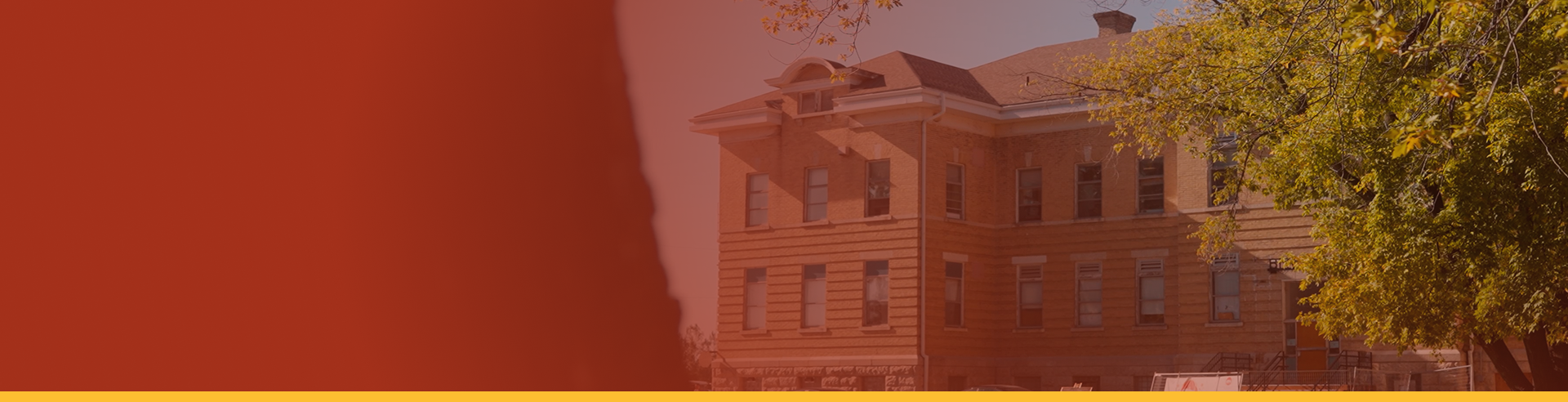
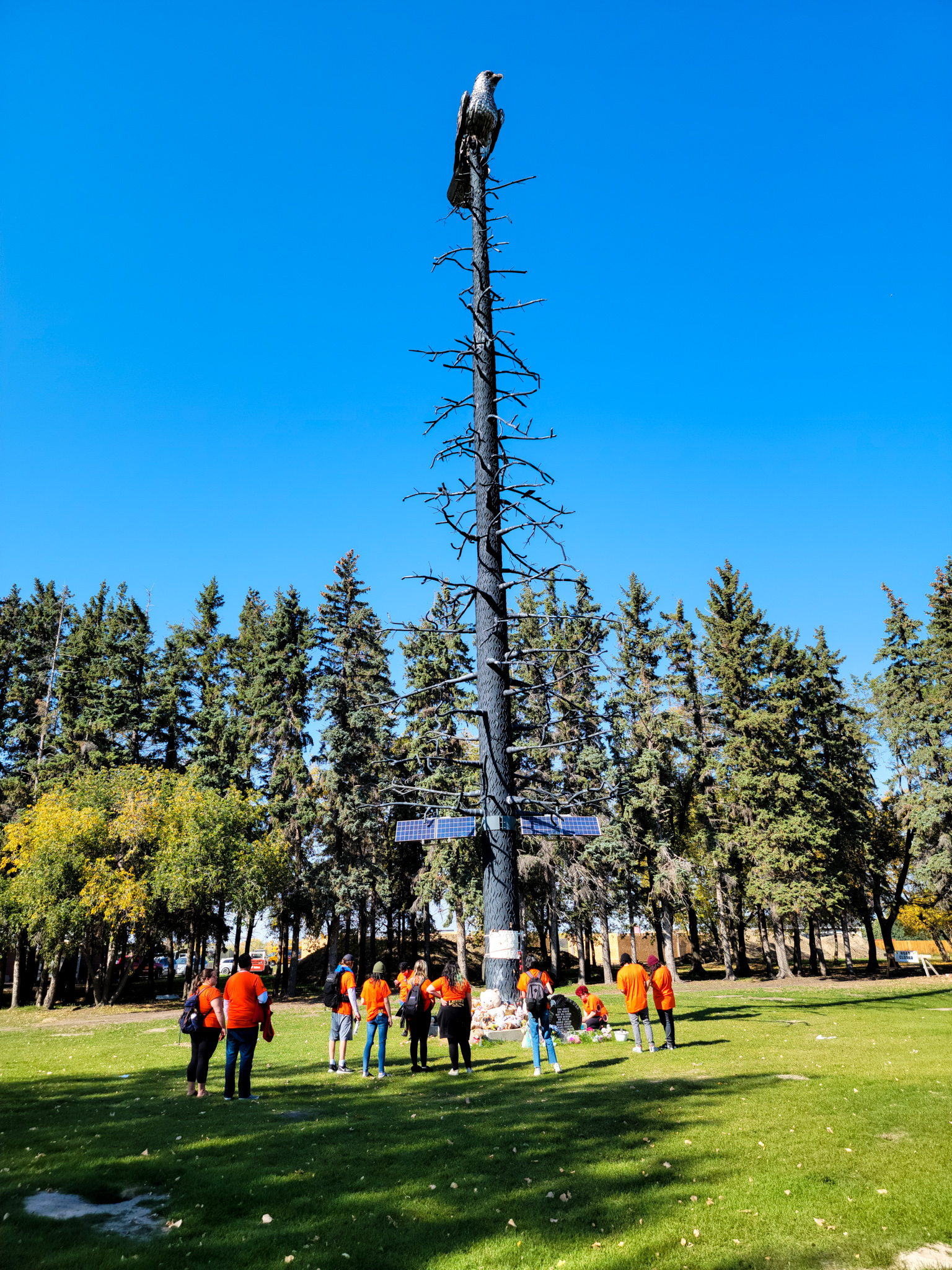
On the north side of the former Portage Indian Residential School is a healing garden that serves as a space for reflection, remembrance, and healing.
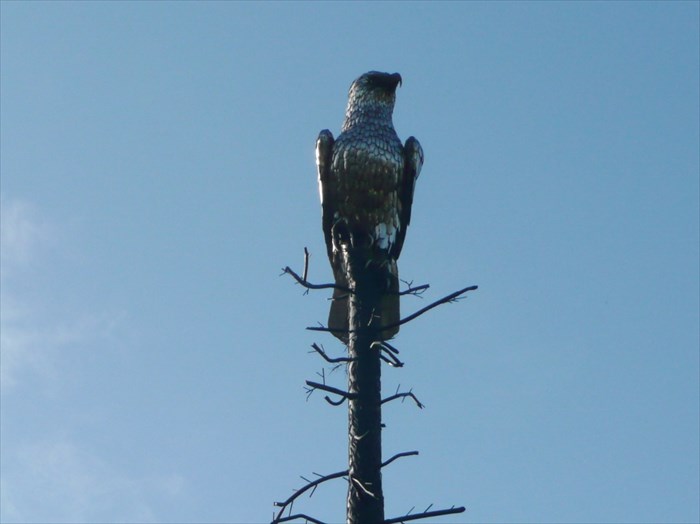
Tree and Eagle Sculpture
A tree and eagle sculpture, gifted to Residential School Survivors, stands as a beacon of hope. The eagle represents strength, resilience, and the journey of healing. It symbolizes Survivors rising above painful experiences while reclaiming culture, language, and family connections.
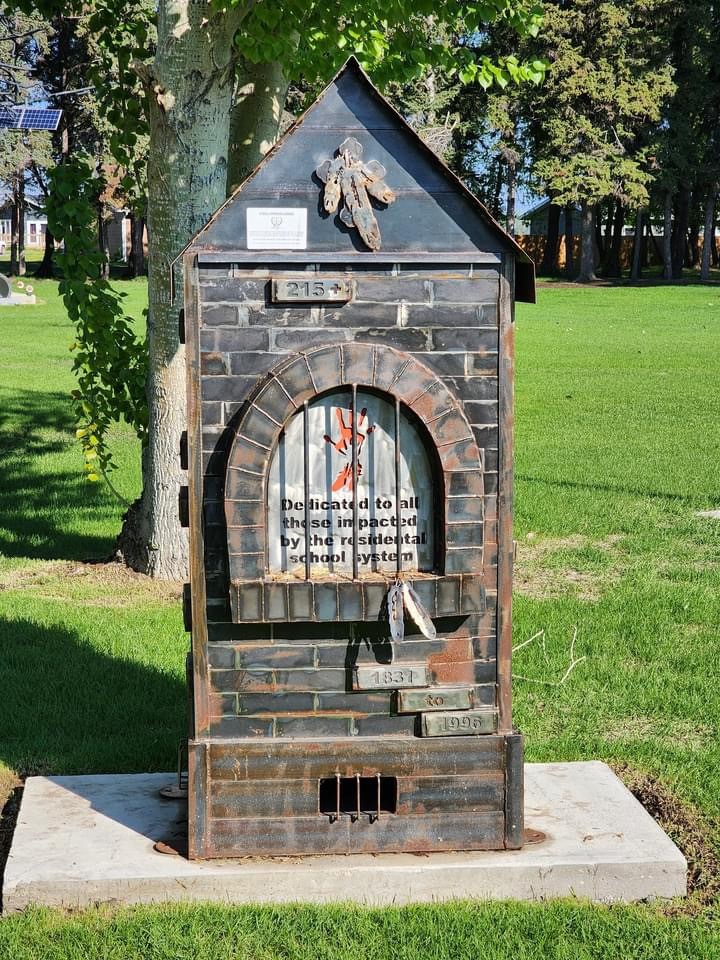
Memorial Plaque (2019)
In September 2019, on Orange Shirt Day, a plaque was unveiled in the healing garden. It honours Survivors who lost their lives in a 1972 plane crash while travelling home for summer holidays. Their names are permanently engraved in remembrance.
Future Memorial Wall
The healing garden will continue to grow and will include a future memorial wall honouring Residential School Survivors and those impacted by the system.
A Place of Learning and Unity
The Museum is a non-profit organization that welcomes all visitors into a space of learning, reflection, and understanding.
It is a place of unity where people can come together to:
- Learn about Indigenous histories and cultures
- Reflect on the impacts of Residential Schools
- Acknowledge past harms
- Support healing and reconciliation
Museums play an important role in society by acquiring, preserving, researching, and sharing knowledge. This Museum continues that role in a deeply meaningful way—grounded in truth, Survivors’ voices, and community leadership.