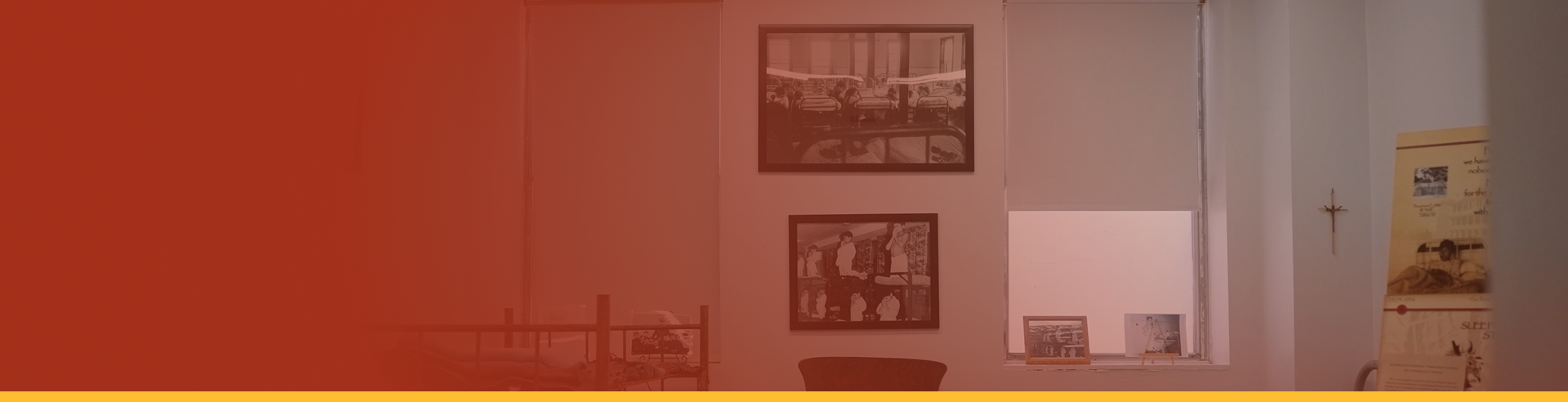


This is not abstract history.
It happened here, in this place.
NIRSM Exhibits
The exhibits at the National Indigenous Residential School Museum of Canada guide visitors through the history and lasting impacts of the residential school system while honouring the strength, cultures, and stories of Indigenous peoples.
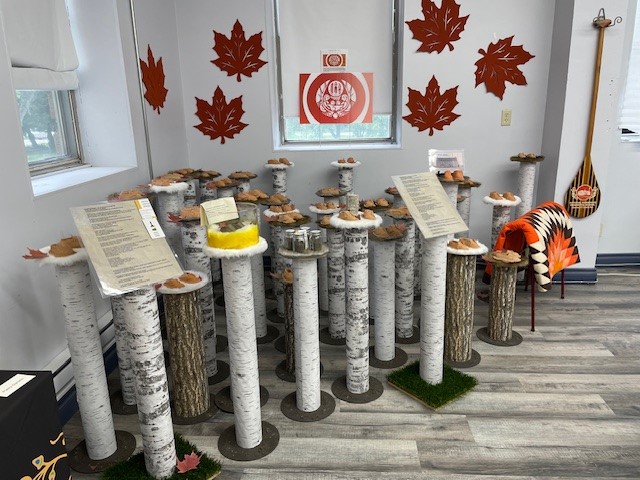
Pre-Residential School Era / Pre-Contact
Explore Indigenous life prior to the disruption of colonization and residential schools through cultural belongings, regalia, local leadership, and teachings that reflect vibrant and thriving communities. This exhibit also examines early colonial policies and ideologies, including the Doctrine of Discovery.
Beginning of Residential School / Apprehension and Haircutting
This exhibit examines the forced removal of Indigenous children from their families and communities, including transportation to schools and the experiences many children faced upon arrival. Visitors are introduced to the strict environments and loss of identity experienced through practices such as haircutting and confiscation of personal belongings.
Sleeping Arrangements
Visitors gain insight into the living conditions within residential schools and the realities children faced while separated from family, language, and community. The exhibit encourages reflection on the emotional and physical impacts of institutional life.
Classroom and Child Labour
This exhibit challenges the common perception that residential schools primarily focused on education by examining the limited classroom instruction many children received. It also explores the labour children were required to perform to support the daily operations of the schools.
Cafeteria
Through historical records and interpretation, this exhibit examines nutrition within residential schools and the unequal conditions experienced by children. It also explores documented studies conducted on Indigenous children related to malnutrition and health.
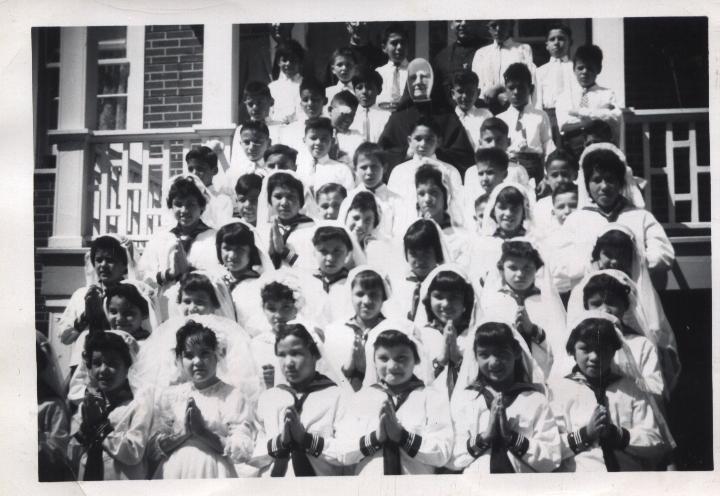
Spiritual Displacement
This exhibit examines the replacement of Indigenous spiritual beliefs and relationships with Creator through imposed Western Christian practices. Visitors are encouraged to reflect on the lasting impacts these efforts had on culture, identity, and spiritual traditions.
Trauma and Punishment Room
Visitors learn about the disciplinary systems used within residential schools, including forms of corporal punishment and emotional control. The exhibit is presented with care and respect for Survivors and their experiences.
Every Survivor carries a unique story. Hear their stories.
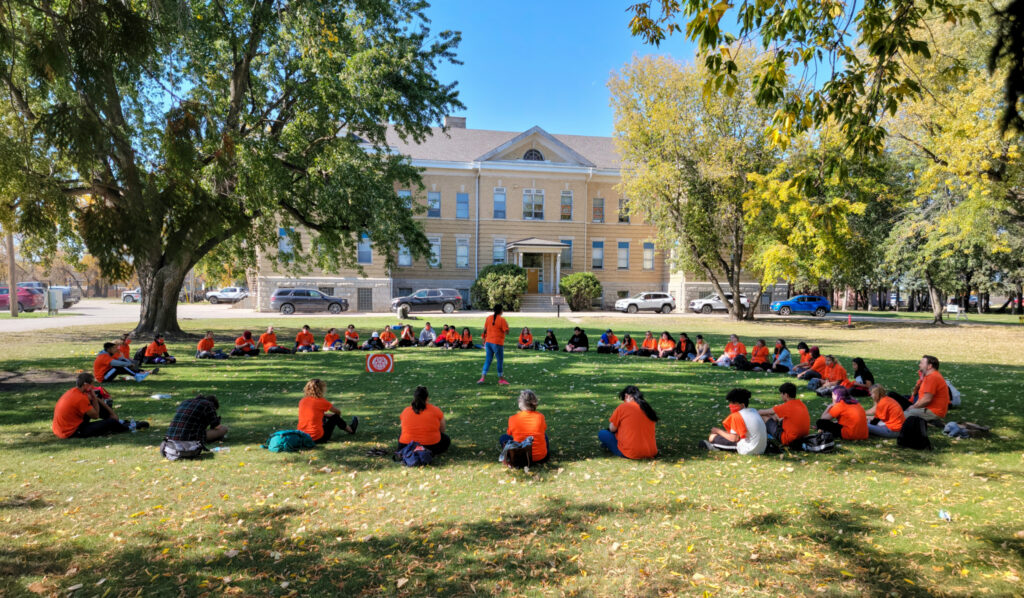
Recreation
This exhibit highlights sports, games, and recreational activities that provided moments of connection and relief for many children. It also celebrates the achievements and resilience of Indigenous athletes and Survivors.
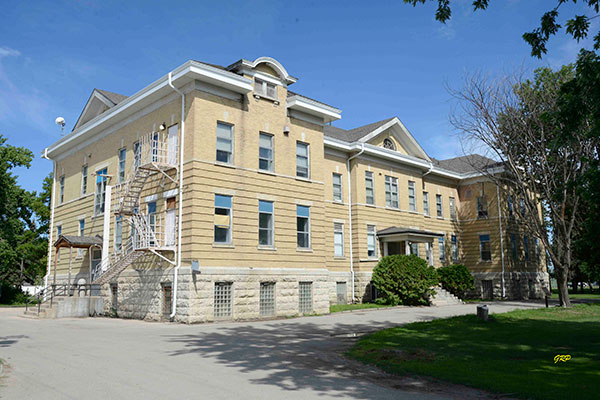
Glee Club
Centered on the story of the Portage Indian Residential School Glee Club, this exhibit explores how students participated in performances that brought them to international stages, including trips to Disney and Japan, as well as meetings with Queen Elizabeth II and Prince Philip.
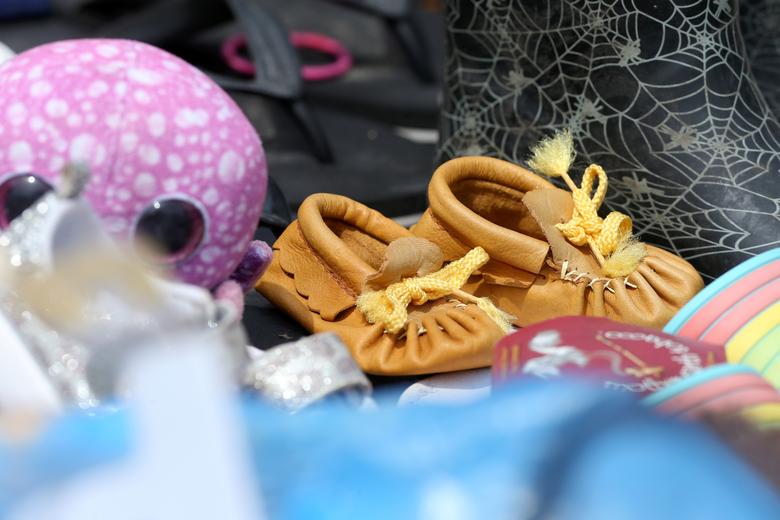
Dedication
The Dedication exhibit honours Indigenous Veterans, reflects on apologies made by churches and governments, and examines the progress made since the Truth and Reconciliation Commission of Canada. It also invites visitors to consider the ongoing impacts and intergenerational legacy of residential schools today.